
How MEV Protection Changes the Way I Use a Web3 Wallet (and Why You Should Care)
Whoa! I remember the first time I watched a sandwich bot snatch my trade on a DEX. It was annoying. Really annoying. My instinct said “this is broken”, but my brain wanted to understand the mechanics before ranting. Initially I thought it was just bad timing, but then I noticed a pattern: the same addresses, repeated front-runs, and tiny profits piling up against retail users.
Honestly, that taught me to be suspicious of “free” on-chain liquidity. Hmm… something felt off about trusting wallets that only sign transactions and offer no context. On one hand I wanted speed and simplicity. On the other hand I wanted the confidence that my trades wouldn’t be minced by bots or mined for tiny but cumulative losses. So I started to look for wallets that treated transaction execution as a layered problem, not just a one-button send.
Here’s what bugs me about most wallets: they show a gas fee, maybe a slippage slider, and then shrug. No simulation, no prediction, no defense. Seriously? That’s like handing someone a car key and saying “good luck” before pointing out the potholes. I’m biased, but usability without protective tooling is a half-measure. In practice that gap is where MEV happens—miner-extractable value that becomes user-extractable frustration.
Let me be clear—MEV isn’t a theoretical bug. It’s an economic vector. Short-term, it’s tiny sandwich profits. Long-term, it distorts routing, execution, and liquidity incentives. Initially I thought MEV was only for top-tier traders, but then I realized retail wallets are stealth tax collectors if they ignore it. Actually, wait—let me rephrase that: wallets that don’t incorporate MEV-aware routing or transaction simulation effectively outsource value extraction to arbitrageurs and block builders.
So what does a wallet need to do? Quick list: simulate, estimate, route, delay, or bundle—depending on context. Hmm. That sounds like a lot. It is a lot. But it’s doable. The trick is integrating those capabilities into flows people actually use, without spooking them with jargon.
How I think about MEV when I trade
My gut says: reduce information leakage and give users options. That’s simple in idea, messy in execution. One path is pre-send simulation that shows likely miner/front-run outcomes. Another is using private relays or builder bundles to hide intent. On the surface both approaches reduce front-running, though they come with trade-offs in latency, cost, and decentralization.
At first I only used pre-send simulation for big trades. Then I realized even small swaps can be eaten alive over time. So my approach evolved: simulate every trade, default for smaller txs to cheaper mitigations, and for larger ones consider private submission or bundling. On the other hand, some users only care about speed. Balancing preferences matters. In other words, you can’t force privacy; you can only offer usable choices.
Check this out—some modern wallets are beginning to surface MEV risk scores before signing. They show alternative routes and expected slippage after accounting for on-chain latency. That helps. It also changes behavior: people split orders more often, or pick routes with less sandwich exposure. These are small wins that aggregate. And they feel good.
I’ll be honest: not every trade needs a complex mitigation. Sometimes paying a tad more in gas or using a longer route is worse than accepting a marginal MEV cost. My thinking evolved from “avoid every extraction” to “optimize for net outcome”. On the macro level that’s better for users and overall network efficiency.
Why transaction simulation matters
Whoa! Simulation is underrated. It shows you the world before you jump in. Medium sentence now—simulation can reveal slippage, likely front-runs, and failed state changes before you sign. Longer thought—when a wallet simulates a trade against a recent mempool snapshot and multiple possible pending transactions, it can present a probabilistic picture that helps you decide whether to proceed, cancel, or alter parameters.
There are limits. Simulations rely on assumptions about ordering and other mempool actors. They are probabilistic, not prophetic. Still, they are better than blind signing. Something felt off about trusting “estimates” from an app without transparency, so I prefer wallets that show the simulation horizon and the assumptions made. That way, the user can make an informed bet.
Hmm… here’s a practical aside: when I simulate a multi-hop swap, I sometimes see an alternative route that looks slower but removes a sandwich path. I take that. It costs me a smidge more in gas sometimes, but it saves on slippage. Over many trades it compounds. Small decisions, repeated, create big outcomes.
Private relays, bundles, and the trade-offs
Private relays hide intent from public mempools. Bundling sends a signed transaction straight to a block builder for inclusion in a specific order. Both reduce classic MEV attacks, though they centralize some aspects of ordering. On one hand they protect users; on the other they introduce gatekeepers. On balance, I prefer options that are opt-in and transparent about their trade-offs.
Initially I feared that using private submission would betray decentralization. But then I realized the counterfactual: if everyone stuck to public mempools, bots would keep harvesting tiny fees from the masses. So the pragmatic move is layered defenses. Use private submission for high-value or high-risk trades. Use simulation for everyday swaps. Use public routing when latency is critical and value at risk is low.
Here’s the thing—wallet integration matters more than raw capability. If a wallet buries bundling or private relay options behind advanced menus, most users won’t use them. And that defeats the point. Wallets that natively surface MEV-aware choices while keeping the UX smooth win my trust. A good example of an approach that stitches these pieces into a usable flow is visible in recent wallet tooling that emphasizes simulation, routing transparency, and optional private submission.
I’m not 100% sure about the long-term governance of builder markets. There will be debates about centralization and the right economic incentives. But right now practical user protection is urgent. Users lose value every day to extractive ordering. So I choose tools that defend the user when it’s reasonable to do so.
Where rabby wallet fits into this
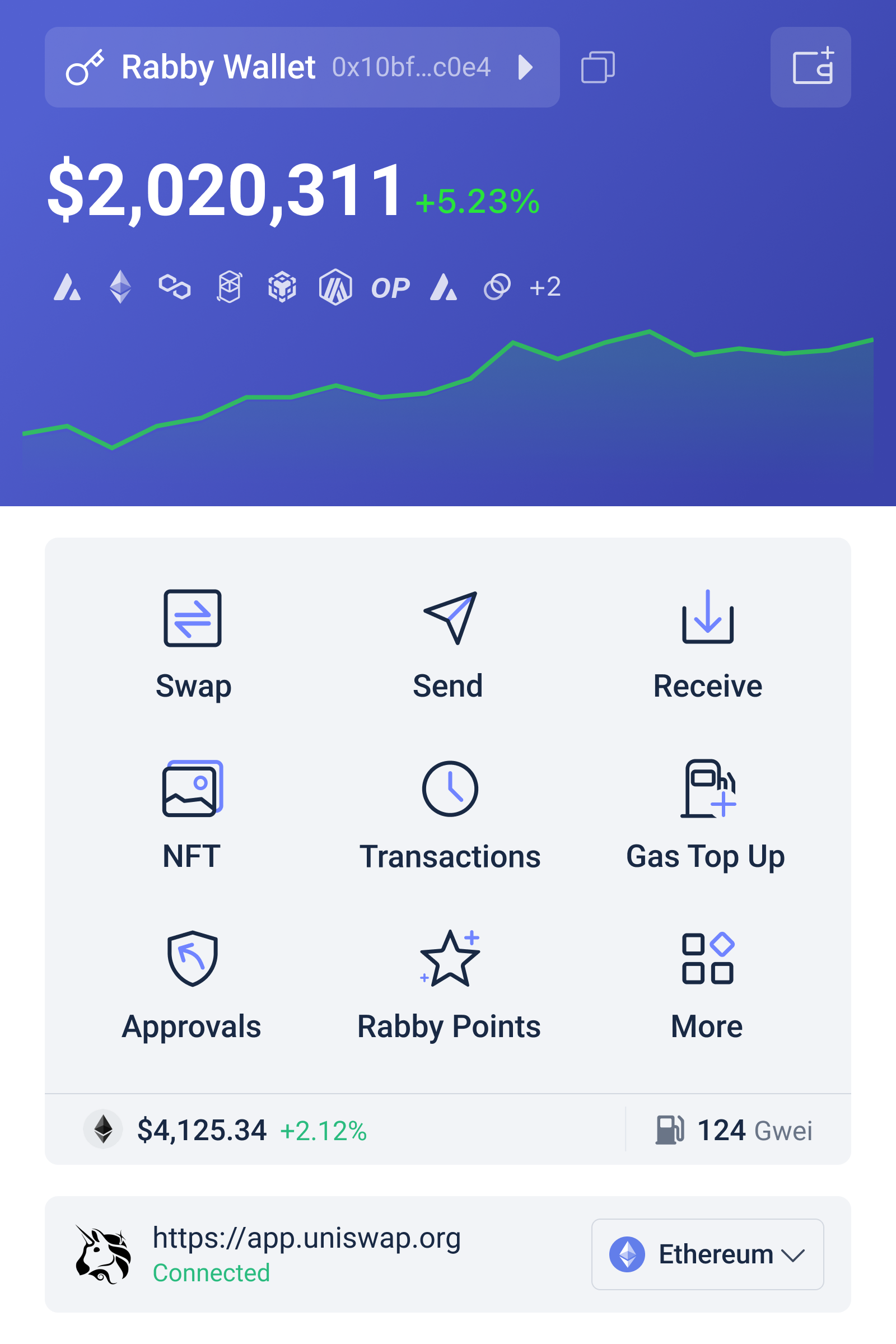
Okay, so check this out—I’ve been using an interface that integrates transaction simulation and clear routing info in a way that feels modern but not scary. It shows you expected outcomes, flags sandwich risk, and surfaces alternative routes. That wallet is rabby wallet, which ties simulation and safety into everyday flows and makes MEV-related trade-offs visible without overwhelming you.
On one hand, rabby wallet gives you more context before signing. On the other, it keeps the UI friendly for people who just want to swap. I’m partial to tools that do both. I’m biased, yes, but protecting your capital matters more than slick design alone. Somethin’ about knowing your trade won’t be silently harvested is calming.
Another small point: good wallets don’t just tell you “this is risky”, they propose actions—split the order, reroute, or use a private relay. That nudges behavior. And nudges that reduce extraction scale up. Over time that could nudge protocol builders and relays toward better practices.
Common questions I get
Can simulation stop all MEV?
No. Simulations reduce risk and make outcomes more predictable, but they can’t eliminate every extraction because the mempool is dynamic and other actors adapt. On the flip side, simulations plus selective private submission and smarter routing drastically lower the probability and impact of the most common attacks.
Does private submission centralize things?
Yes, it can. But it’s a pragmatic tool. Use it selectively for high-risk transactions while advocating for decentralized builder ecosystems. It’s a trade-off; pick the one that minimizes your net loss and aligns with your values.
Will every wallet offer this soon?
Maybe. The ones that do it well will attract users who understand value protection. Others will lag behind. For now, choose wallets that make MEV-aware choices visible and give you alternatives rather than presenting a single blind “Send” button.
Okay, last thought—MEV is a system problem, but wallets are the frontline. If wallets can simulate, route, and offer private submission gracefully, they turn a hostile market into something more survivable for regular users. I’m optimistic and cautious. The space will iterate fast. For now, pick tools that prioritize clarity and protection, and test them with small trades before fully committing. And yeah, keep an eye on your mempool risks—because the little things add up, very very quickly…